
Riding the Holiday Momentum to Future Success: Lessons From HobbyTown’s Michael Dayton
Recently Kylie Ross Sibert, Vice President, Marketing & Communications at Retail Alliance sat down with someone who knows the retail cycle inside and out - Michael Dayton, second‑generation owner of the four HobbyTown locations across Virginia’s Peninsula.
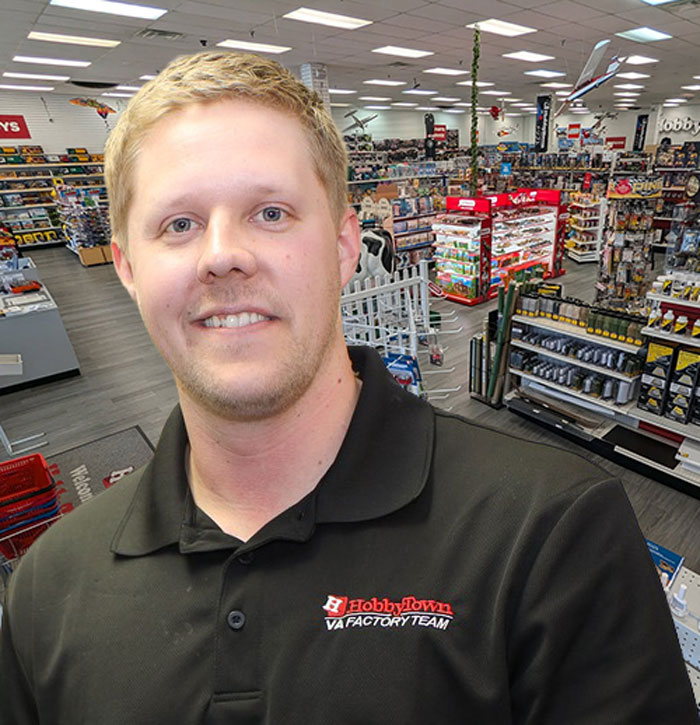 Michael has literally grown up in the aisles of HobbyTown. His dad opened the first Virginia location 26 years ago, and after joining full‑time post‑college, Michael eventually purchased the stores when his father retired. Today, he leads a thriving franchise that has mastered the art of staying relevant, staying stocked, and keeping customers genuinely delighted.
What follows are some of the biggest takeaways from our conversation - practical, actionable insights on using post‑holiday momentum to set up a strong year ahead.
Start With the Numbers (and Then Walk the Store)
Once the rush of the holidays quiets down, Michael immediately turns to two tools - data and a physical walk‑through.
HobbyTown uses a sophisticated POS system to track SKUs, valuations, and overall inventory health. “The first thing we look at is our total inventory down to the dollar,” Michael explained. “Did we hit where we thought we would be? Are we too low? Too high? That number is the baseline.”
But just as important as the data is simply being in the store.
He emphasized, “I can’t say ‘walk your store’ enough. Does it feel full? Does it feel empty? Does it look how you want it to look?”
That in‑person assessment often tells a fuller story than any spreadsheet.
Dealing With Excess Inventory Without Knee‑Jerk Discounts
Not every product sells through during the holidays, but Michael insists retailers shouldn’t rush straight into markdowns.
Step one? Re‑merchandise.
Sometimes a product stalls not because it isn’t appealing, but because it isn’t visible. “Move it into a high‑traffic area, refresh the display, talk about it in team meetings,” he said. “Give your staff incentives to focus on it.”
Only after that fails does he consider discounting - and even then, strategy matters. For high‑margin items, deeper promotions make sense. For lower‑margin categories, he’s more conservative.
Managing Trends Without Getting Burned
As a hobby and toy retailer, HobbyTown is no stranger to trend waves - from fidget spinners to the latest collectible craze.
Trends can be powerful, but they can also be dangerous. “It’s easy to jump in too late,” Michael said with a laugh, recalling a time they overbought toward the end of the fidget‑spinner boom. “You live and you learn.”
Instead of strict ratios between evergreen items and trend-driven ones, HobbyTown focuses on constant rotation. New releases come in, sell through, and move on.
“If customers see the same shelves four visits in a row, they might lose interest,” he added.
The Power of the Franchise Network
Although HobbyTown is a national franchise, the real value comes from the network of independent franchise store owners, not corporate HQ.
“We're not competing with each other - we’re in different states,” Michael explained. “So I can call up my buddy in Tennessee and ask how something is selling before I bring it in.”
For small businesses without a formal network, Michael’s advice is simple: build your own. “If you don’t know where to pivot this year, reach out. Someone has lived through what you’re going through.”
Pre‑Holiday Planning Matters Just as Much
While the post‑holiday period sets the stage for the year ahead, Michael argues that pre‑holiday planning is even more critical.
Retailers should enter the season with enough inventory to take advantage of increased traffic - but not so much that they’re left sitting on costly overstock. Holidays are the best time to purge older or slow-moving inventory, freeing up cash for the year ahead.
“Once you have cash in the bank, you can do whatever you want,” he said. “If you're tight on cash, your growth is constrained.”
Marketing That Actually Moves Inventory
When it comes to promotions, the strategy depends on the product category.
- Buy One, Get One works well when the goal is to move quantity.
- Clear, upfront markdowns are better for expensive items where customers need to “feel” the savings.
- Creativity is key.
More important than the promotion itself is having a team aligned around store goals. Each HobbyTown location has a manager responsible for hitting targets, supported by incentives for part‑time staff.
Building Loyalty Through Experience
Customer loyalty isn’t accidental - it’s engineered through experience.
Michael describes it simply: “You’ve got to wow the customer.” That might be through the products (“big kids” included), but even more through service. Knowledgeable staff, warm interactions, and a sense of excitement set HobbyTown apart from online competitors.
The store also captures customer information to follow up with coupons, special offers, and - Michael’s personal favorite - event marketing.
Events: The Secret Weapon
 From free craft days to RC racing events, HobbyTown uses hands‑on experiences to turn visitors into fans.
“You can’t duplicate this online,” Michael said. “Seeing the products in motion is a game changer.”
Events are often vendor‑supported, free or low-cost, and give families a reason to come back again and again.
Looking Ahead: A “Retro” Resurgence
Michael is optimistic about the year ahead, noting a renewed excitement in classic toy brands driven by millennial parents introducing favorites from their own childhood.
“There's this retro trend happening, and it fits us perfectly,” he said. As both a retailer and a customer, he feels that energy firsthand.
His Final Actionable Advice for Retailers
Michael wrapped up with two pieces of advice - one strategic, one simple:
1. Big-picture advice:
Review your year. Look at sales, walk your store, understand your inventory position, and turn that into a plan. Decide where to invest - whether that's marketing, people, or store improvements - and map out monthly goals.
2. Small-picture advice:
“Just focus on your inventory.” Identify dead stock, move it out, and reinvest the cash. And don’t forget to ask your team. “Your sales associates probably have great ideas - they see everything.”